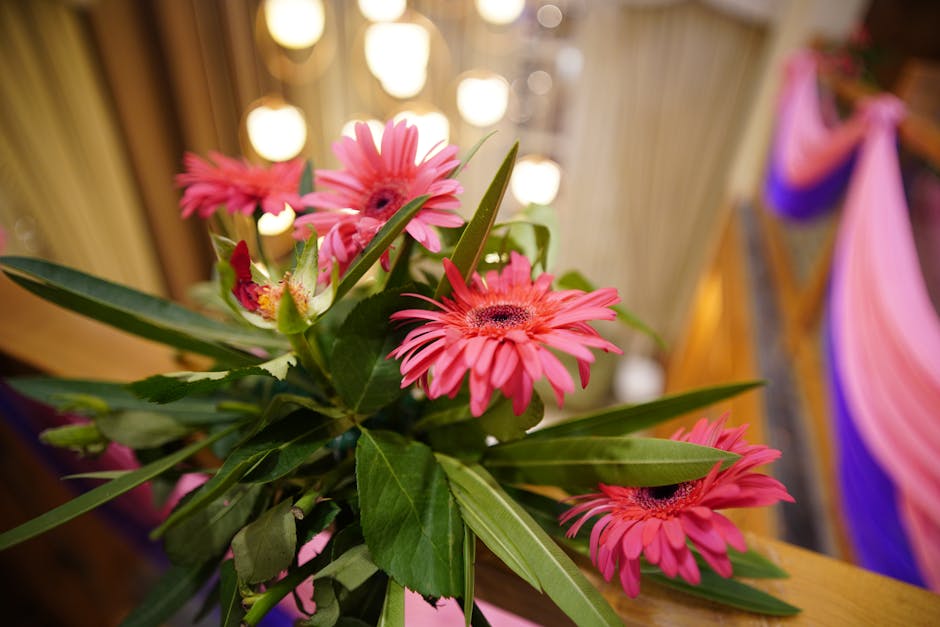
Wedding flowers for St Dunstan's, Stepney: Local ideas
Planning wedding flowers for St Dunstan's, Stepney can feel wonderfully exciting and mildly overwhelming at the same time. The venue has its own character, the local area has its own rhythm, and the flowers you choose need to do more than look pretty in a bouquet. They need to sit well with the space, travel well on the day, and feel right for your style as a couple.
That is where local ideas really help. The best wedding flower plans are usually the ones that respond to the building, the season, your ceremony timing, and the practical realities of a London wedding. You do not need to overcomplicate it. In fact, to be fair, the simplest plan is often the one that looks the most elegant once everything is in place.
This guide walks through what matters, how the process works, which styles suit St Dunstan's, and how to make confident choices without getting lost in the weeds. There are also practical examples, a comparison table, a checklist, and answers to the questions couples ask most often. If you are also planning the wider look of your day, it can help to explore related pages such as our wedding flowers service, church wedding flowers, and flower delivery options while you plan the details.
Table of Contents
- Why Wedding flowers for St Dunstan's, Stepney: Local ideas Matters
- How Wedding flowers for St Dunstan's, Stepney: Local ideas Works
- Key Benefits and Practical Advantages
- Who This Is For and When It Makes Sense
- Step-by-Step Guidance
- Expert Tips for Better Results
- Common Mistakes to Avoid
- Tools, Resources and Recommendations
- Law, Compliance, Standards, or Best Practice
- Options, Methods, or Comparison Table
- Case Study or Real-World Example
- Practical Checklist
- Conclusion
- Frequently Asked Questions
Why Wedding flowers for St Dunstan's, Stepney: Local ideas Matters
St Dunstan's, Stepney is not a blank canvas. Like many historic London church settings, it has a sense of place that deserves flowers chosen with care. The architecture, light levels, aisle width, altar placement, and season all influence what works and what feels heavy or out of step.
That matters because flowers at a wedding do a lot of quiet jobs at once. They guide the eye, soften the room, set the tone in photographs, and help make the ceremony feel personal. If the flowers are too large, too dark, or too fussy, they can crowd the space. If they are too sparse, the room may feel underdressed. The sweet spot is usually somewhere in the middle, and local knowledge makes that easier to find.
There is also a practical reason to think locally. A Stepney-based florist or a London florist familiar with east London venues is more likely to understand transport timing, access points, weather changes, and the kind of last-minute flexibility that a wedding day sometimes needs. Lets face it, weddings rarely run to the minute. A bouquet can be beautiful and still need to survive a Tube delay, a narrow doorway, or a slightly hot car on a June afternoon.
For couples, this is about confidence as much as aesthetics. When you know the flowers suit the venue and the logistics, everything feels calmer. That calm shows, even if nobody says it out loud.
How Wedding flowers for St Dunstan's, Stepney: Local ideas Works
The process usually starts with three things: the venue, the season, and your budget. Those three shape almost everything else. A good florist will then translate your ideas into arrangements that fit the ceremony space and your plans for the reception, if it is elsewhere.
First comes the venue walkthrough or at least a conversation about it. Photos help, but they do not tell the whole story. You want to know where flowers will sit, what guests will see as they arrive, and how much visual weight the space can comfortably take. St Dunstan's may call for restrained elegance in one corner and a more generous focal piece near the altar or entrance. That balance is where the design comes alive.
Next comes style. Some couples want a classic white scheme with roses, lilies, hydrangea, and soft greenery. Others prefer a more garden-inspired look with seasonal tulips, peonies, delphiniums, ranunculus, or dahlias depending on the month. For a more modern finish, you might choose cleaner shapes, fewer flower types, and stronger line work with foliage. None of these is automatically better. The right choice is the one that makes sense in the room.
Finally, there is delivery and setup. For church weddings, timing matters. Flowers often need to be installed before guests arrive, with enough buffer for checking placements and making small adjustments. A professional florist should plan for that. If you want more structure around service scope, it can help to read a dedicated FAQ page or browse wedding packages so you can see what is typically included.
Key Benefits and Practical Advantages
Choosing flowers with St Dunstan's in mind is not just about looking local. It is about making better decisions with less guesswork.
- Better fit for the venue: Flowers can be scaled to the church space instead of overwhelming it.
- More seasonal value: Local ideas often lean into flowers that are in season and easier to source well.
- Smoother logistics: A florist who knows east London can plan deliveries and setup more reliably.
- More cohesive styling: Ceremony flowers, buttonholes, and reception pieces can all feel connected.
- Less wasted spend: You are less likely to pay for oversized arrangements that do not add much visual value.
- Better photos: Balanced flowers frame the couple, the aisle, and the altar beautifully without stealing focus.
There is a quiet advantage too: local inspiration tends to feel more authentic. If your flowers reflect the season and the setting, they will look like they belong there rather than having been dropped in from somewhere else. That kind of natural fit is hard to fake, and it usually photographs better as well.
A simple but well-chosen bouquet can outshine a grand arrangement that fights the room. Every time.
Who This Is For and When It Makes Sense
This approach is especially useful if you are planning a church ceremony, a smaller wedding, or a wedding where the ceremony and reception are split between locations. It also makes sense if you care about your flowers feeling personal rather than generic.
It is a strong fit for:
- Couples marrying at St Dunstan's who want flowers that suit the church architecture
- Brides and grooms looking for East London wedding flower ideas with a local feel
- Anyone trying to keep the floral budget under control without losing impact
- Couples who want seasonal flowers rather than imported, out-of-season choices
- Wedding planners or family members helping coordinate ceremony styling
- Pairs who need practical guidance on delivery, setup, and simple upkeep
It is less suitable if you want an extremely elaborate floral build with extensive installation time and multiple overhead features, unless the venue and access allow for it. That does not mean you cannot create something special. It just means the design should work with the space, not against it. Truth be told, that advice saves a lot of stress later.
Step-by-Step Guidance
Here is a straightforward way to plan wedding flowers for St Dunstan's, Stepney without getting tangled up in choices.
- Start with the venue shape. Look at the aisle, altar, entry points, and where guests will stand or sit. Photograph the space if you can.
- Choose your main mood. Think classic, romantic, modern, garden-style, or simple and elegant.
- Work with the season. Select flowers that are naturally available around your wedding date for better consistency and value.
- Decide the floral priorities. Common priorities include bridal bouquet, bridesmaids' bouquets, ceremony pieces, pew ends, buttonholes, and a top table arrangement.
- Set a realistic budget. Be honest about what matters most. A florist can usually make limited funds go much further when they know the priorities.
- Confirm access and timing. Church weddings often need early delivery or careful setup windows, so check this well in advance.
- Review scale and photos. Ask how the flowers will look from the back of the church, not just close up. That is where weak plans often show.
- Approve the final brief. Make sure the colour palette, flower types, quantities, and delivery plan are written down clearly.
A good florist should be able to turn this into a practical proposal, not just a mood board. Mood boards are lovely. But the wedding day needs more than a Pinterest dream and a prayer.
Expert Tips for Better Results
If you want flowers that really suit St Dunstan's, a few small decisions make a surprisingly big difference.
1. Keep the palette focused
Three to five core colours is usually enough. Too many shades can look busy in a church setting, especially if the building already has strong visual character. Soft whites, blush, green, cream, and one accent colour often work well.
2. Use foliage with intention
Foliage is not just filler. It can create shape, soften hard lines, and help arrangements sit naturally in the venue. Eucalyptus, ruscus, olive, or mixed seasonal greenery can all help, depending on the look you want.
3. Think about sightlines
Guests should be able to see the couple, the celebrant, and the key moments clearly. If a floral arrangement blocks the view, it becomes a problem. A few inches of difference can matter more than people think.
4. Ask for flower substitutions policy
Because flowers are seasonal, a florist may need to substitute certain blooms. That is normal. What matters is that the overall style, colour, and quality stay consistent. If a substitute is needed, you want to know it will still suit the design.
5. Match the bridal bouquet to the scale of the dress
That sounds obvious, but it is often overlooked. A very full bouquet can compete with a structured dress, while a delicate bouquet may disappear beside a dramatic gown. Balance matters.
Sometimes the most polished-looking wedding flowers are the ones with one or two confident choices, not ten. Clean. Considered. Done well.
Common Mistakes to Avoid
Wedding flower plans go wrong in a few predictable ways. The good news is that most of them are easy to avoid once you know what to look for.
- Ordering without seeing venue photos: Flowers should respond to the actual space.
- Choosing out-of-season blooms too early: These can be costly and harder to source consistently.
- Overpacking the design: More flowers are not always better. Sometimes they just make the arrangement feel crowded.
- Ignoring church timing: Delivery windows can shape everything, especially in London traffic.
- Forgetting who moves what: Clarify who handles setup, moving bouquets, and repurposing flowers between ceremony and reception.
- Not checking transport conditions: Heat, rain, and long journeys can all affect flower condition.
- Leaving buttonholes and small details too late: These are tiny items, but they always seem to arrive with the biggest organisational drama.
One more thing: do not assume every florist interprets the same brief in the same way. Words like romantic, rustic, modern, and elegant can mean slightly different things to different people. Bring examples if you can, even if they are just a few screenshots from your phone.
Tools, Resources and Recommendations
Good flower planning is part creative, part organisational. A few simple tools make the process easier.
- Venue photos: Take pictures of the church from different angles and at different times of day if possible.
- Inspiration board: Keep a small, edited collection of styles you actually like. Fewer images, better choices.
- Guest list timing: Useful for estimating buttonholes, corsages, and family flowers.
- Budget split: Decide where your money matters most: bouquet, ceremony flowers, or reception displays.
- Delivery notes: Share access instructions, contact names, and the wedding timetable.
- Florist consultation: A proper chat with a specialist is often the best resource of all.
If you are building the wider wedding plan, a few related pages can help you stay organised. You may find useful guidance on flower styles and arrangement handling if you want to understand design discipline and care, though the tone and purpose are of course very different. For venue-specific inspiration, see our local florist information and contact page for next steps. If you are comparing broader floral options, flower subscriptions can also give a sense of seasonal flower availability and style trends, even if they are not part of the wedding order itself.
Law, Compliance, Standards, or Best Practice
Wedding flowers are not a heavily regulated service in the way some industries are, but there are still sensible standards and best practices that matter. In a church venue, access rules, timing, and any restrictions set by the venue or officiant should always be respected. That is just good manners, and in practical terms it avoids day-of disruption.
Florists should also handle fresh flowers with normal hygiene and care standards, particularly for stems, water containers, and any materials used around guests or indoor spaces. If candles, stands, wires, or taller installations are part of the design, they should be secured properly and placed with safety in mind. Nothing fancy there, just solid practice.
When discussing personal flowers, couples should be clear about allergies, strong scents, and any requests to avoid pollen-heavy blooms. Lilies, for example, can be beautiful but are not always the best choice for every ceremony. Similarly, if you want flowers that will last through a full day of photos, travel, and dinner, ask about conditioning and storage on the morning of the wedding.
There is also a professional standard around communication. Good florists explain what is included, what can change, and what may be substituted if a bloom is unavailable. That transparency is a big part of trust. It sounds basic, but it makes a real difference.
Options, Methods, or Comparison Table
Different floral approaches work better for different couples. Here is a simple comparison that may help you decide.
| Approach | Best for | Strengths | Things to watch |
|---|---|---|---|
| Classic white and green | Traditional church weddings | Timeless, elegant, easy to coordinate | Can feel plain if the scale is too small |
| Seasonal garden style | Couples who want softness and movement | Natural, romantic, often better value | Flower availability varies by month |
| Modern minimal design | Clean, contemporary ceremonies | Stylish, uncluttered, strong visual shape | Needs precise placement to avoid looking sparse |
| Statement focal pieces | Couples wanting a wow moment at the altar | Great for photographs and ceremony focus | May not suit tight budgets or narrow spaces |
| Repurposed ceremony flowers | Budget-conscious weddings | Makes the most of what you pay for | Needs careful coordination between locations |
For St Dunstan's, Stepney, many couples do best with a balanced approach: one or two strong focal pieces, a beautiful bouquet, and smaller accents where they matter most. That gives the room enough presence without making it feel crowded. A sensible middle path, really.
Case Study or Real-World Example
Picture a couple marrying on a bright Saturday in late spring. They want their flowers to feel soft and joyful, but not overly formal. The ceremony is at St Dunstan's, and the reception is elsewhere in east London. They have a modest but not tiny budget, and they care most about the bouquet, altar flowers, and a few family details.
After reviewing the venue layout, the florist suggests a palette of white, blush, pale apricot, and fresh greenery. The bridal bouquet uses a mix of seasonal roses, ranunculus, and textured foliage. The ceremony flowers are designed as two reusable focal arrangements that frame the altar without blocking the view. Smaller pieces for the family are kept simple so the main budget stays where it matters most.
On the day, the setup is completed early enough to allow a quick check before guests arrive. The flowers feel calm, light, and appropriate to the space. In the photographs, they do their job quietly. The room looks finished, but not overdone. That is often the goal, even if nobody says it in those exact words.
What made the difference was not a huge spend. It was the fit: the right scale, the right flowers for the season, and a clear sense of priorities. That is the real lesson here.
Practical Checklist
Use this before you confirm your wedding flower plan.
- Have I shared venue photos and access details with the florist?
- Do I know which flowers are in season around my wedding date?
- Have I chosen the main style: classic, garden, modern, or simple?
- Is my budget split by priority, not just by item count?
- Do I know what time flowers will be delivered and set up?
- Have I asked about substitutions if a bloom is unavailable?
- Are the bouquet, buttonholes, and ceremony flowers visually connected?
- Will the arrangements suit the size and shape of St Dunstan's?
- Have I checked for fragrance sensitivity or allergy concerns?
- Do I know what gets reused after the ceremony, if anything?
If you can answer yes to most of those, you are in good shape. Not perfect perhaps, but properly prepared. And that counts a lot on a wedding morning.
Conclusion
Wedding flowers for St Dunstan's, Stepney work best when they respect the venue, reflect the season, and stay true to the couple. The most successful designs are usually not the most complicated ones. They are the ones that feel considered, balanced, and easy to live with on the day.
Start with the space, choose your priorities, and keep the plan practical. If you do that, your flowers will not only look lovely in the church but also feel like part of the day rather than a separate project you had to wrestle into place. That peace of mind is worth a lot.
Get a free quote today and see how much you can save.
And if you are still narrowing down styles, that is fine too. A good floral plan grows from a clear conversation, one honest decision at a time.
Frequently Asked Questions
What flowers work best for a wedding at St Dunstan's, Stepney?
Seasonal flowers that suit the scale of the church usually work best. White and green schemes, soft pastel garden flowers, and elegant mixed bouquets are all popular choices. The key is to match the arrangements to the architecture rather than forcing a style that feels too large or too busy.
Should wedding flowers be matched to the church interior?
Yes, at least loosely. You do not need to mirror every colour in the building, but the flowers should feel comfortable in the space. If the church has strong features or darker tones, simpler and lighter arrangements often sit better.
How far in advance should I book wedding flowers?
It is sensible to book as early as possible, especially for spring and summer dates. Many couples start the conversation several months ahead so the florist can reserve the date, discuss availability, and plan around the season.
Can ceremony flowers be reused at the reception?
Often, yes. This is one of the best ways to stretch your budget. Larger arrangements can move from the ceremony to the reception, provided the timeline, transport, and setup locations all work smoothly.
Are seasonal flowers cheaper than imported flowers?
They are often better value, though pricing depends on the flower type and availability. Seasonal flowers are usually easier to source in good condition, and they tend to look more natural in the finished design.
What if I have a small budget?
Focus on the items that will be seen the most: the bridal bouquet, one or two ceremony focal points, and key personal flowers. A careful design with fewer pieces can still look refined and complete. Honestly, it can look better than trying to do everything a bit half-heartedly.
Do I need flowers for the whole church?
No. Many weddings look beautiful with just a few well-placed arrangements. The entrance, altar, and one or two supporting pieces may be enough, depending on the size of the wedding and the feel you want.
How do I choose colours for a Stepney church wedding?
Start with your outfit, season, and venue. Then choose a palette that feels calm and cohesive. Soft whites, greens, blush, cream, and gentle accent shades usually work well in church settings because they are elegant without shouting for attention.
What should I tell the florist during the consultation?
Share the venue name, date, ceremony time, budget, colour preferences, inspiration images, and any allergies or strong dislikes. Also mention whether flowers need to be moved from the ceremony to the reception. The clearer the brief, the better the result.
Can a florist help if I am not sure what style I want?
Absolutely. A good florist should be able to guide you through style options based on the venue, season, and budget. Bring a few reference images if you can, even if they are only loosely related. That gives the florist something concrete to work from.
What flowers last best through a long wedding day?
Many blooms can last well if conditioned properly, but sturdier flowers and fresh foliage often hold up best through transport, photos, and ceremony time. Your florist can recommend varieties that suit the length of your day and the weather forecast.
Is it worth using a local florist for St Dunstan's, Stepney?
Usually, yes. A local or nearby London florist is more likely to understand access, timing, traffic, and venue expectations. That can reduce stress, and in a wedding context, less stress is always welcome.
How do I avoid my flowers looking too formal or too plain?
Use texture. A mix of bloom sizes, foliage, and one or two accent flowers creates interest without making the arrangement feel stiff. If you are unsure, ask for a design that sits somewhere between polished and relaxed. That middle ground often looks just right.
What is the biggest mistake couples make with wedding flowers?
Probably trying to choose flowers before deciding how they will fit the venue. Once the space, budget, and timing are clear, the rest becomes much easier. Starting with the venue is a simple move, but a smart one.