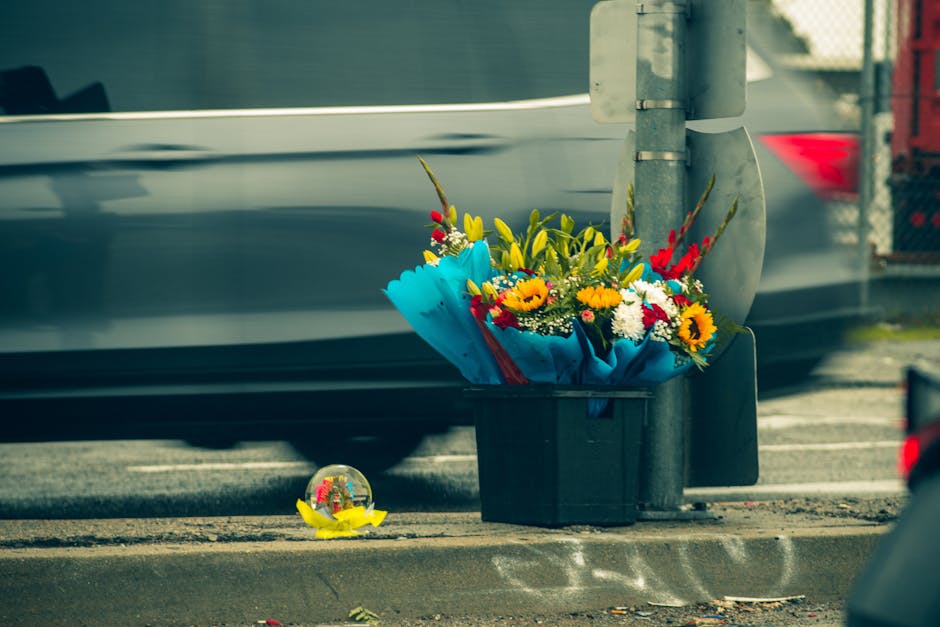
Tower Hamlets council rules on roadside floral tributes: a practical, respectful guide
Roadside floral tributes are one of those things people only really notice when they need to. A bouquet tied to a lamp post, a card weighed down with stones, candles flickering in the drizzle outside a busy junction in Tower Hamlets - it is deeply human, and often deeply painful too. If you are trying to understand Tower Hamlets council rules on roadside floral tributes, you may be doing so at a difficult time, and the last thing you need is confusion about what is allowed, what might be removed, and how to act with care.
This guide explains the practical side of roadside memorial flowers in clear English: why councils manage them, how permissions and safety concerns usually work, what families and friends should think about, and how to avoid upsetting mistakes. It also covers respectful alternatives when a tribute cannot stay in place. Truth be told, the rulebook is rarely the only thing that matters here; timing, traffic safety, and sensitivity to the bereaved all matter as well.
If you need a wider local services context while planning or documenting an arrangement, you may also find helpful background on Grand Avenue Cemetery services and funeral catering support, especially where a memorial gathering is being organised alongside a roadside tribute.
Table of Contents
- Why Tower Hamlets council rules on roadside floral tributes Matters
- How Tower Hamlets council rules on roadside floral tributes Works
- Key Benefits and Practical Advantages
- Who This Is For and When It Makes Sense
- Step-by-Step Guidance
- Expert Tips for Better Results
- Common Mistakes to Avoid
- Tools, Resources and Recommendations
- Law, Compliance, Standards, or Best Practice
- Options, Methods, or Comparison Table
- Case Study or Real-World Example
- Practical Checklist
- Conclusion
- Frequently Asked Questions
Why Tower Hamlets council rules on roadside floral tributes Matters
Roadside floral tributes sit at the intersection of grief, public space, and safety. That sounds formal, but the reality is simple: a memorial placed near a road can become meaningful to families and passers-by, yet it can also create a hazard if it obstructs sight lines, falls into traffic, or distracts drivers and pedestrians. Tower Hamlets, like other London boroughs, has to balance compassion with public responsibility.
Why does that matter so much? Because in a dense borough, a small tribute can quickly become a practical issue. A pavement bouquet near a narrow footway, for example, may be moved by wind or rain. Candles can burn out, drip, or pose a fire risk. Flowers placed on verges may be damaged by maintenance work. And if a memorial is left for a long time without checking local expectations, it may be removed as part of routine safety or cleansing work. Nobody wants that surprise.
There is also an emotional reason this matters. People often assume that a tribute placed with love will naturally be left alone. Sometimes it is. Sometimes it cannot be. Understanding the rules beforehand reduces the chance of conflict, and lets the tribute do what it is meant to do: honour a life, quietly and respectfully.
Expert summary: the safest approach is to treat roadside floral tributes as temporary, keep them compact, and make sure they do not interfere with traffic, pavements, or council maintenance. If in doubt, ask first rather than assume.
In our experience, the most difficult situations happen when people mean well but do not realise how exposed roadside memorials are. A gusty afternoon, a passing bus, a road sweep, and suddenly the arrangement is no longer where it started. That is not disrespect; it is just how public space works.
How Tower Hamlets council rules on roadside floral tributes Works
The exact handling of roadside tributes can vary depending on location, the nature of the memorial, and whether the item is on the pavement, verge, traffic island, or close to a road asset such as a lamp column or sign. The council's role is usually to manage the space safely and fairly, rather than to prevent people from remembering someone. That distinction matters.
In practical terms, the process often works like this:
- A tribute appears in a public place after an incident, funeral, anniversary, or personal loss.
- Officers or contractors assess whether it creates any danger, obstruction, or maintenance issue.
- If the tribute is safe and manageable, it may remain for a short period.
- If it presents a risk or is placed in a sensitive area, it may be moved or removed.
- In some cases, families are encouraged to relocate items to a safer memorial site or cemetery setting.
That may sound a bit stark, but it is the reality of shared streets. A roadside memorial is not the same as a graveside arrangement. It is public-facing, weather-exposed, and subject to cleaning, highways work, and pedestrian flow. A soft bunch of lilies can become a blockage when placed near a tight kerb, especially where people already step into the road to pass each other. You can almost picture it on a wet London morning.
If the tribute is likely to stay in place for more than a very short time, it is wise to think about whether it is anchored safely, whether it can be blown away, and whether it could create litter if the flowers fade. Even a thoughtful tribute can become messy surprisingly quickly. Nature is lovely like that. Also a bit chaotic.
For families arranging a longer-term memorial, it may be more practical to use a designated remembrance setting or private land with consent, rather than relying on a roadside spot that is always subject to change. That is not less meaningful. It is just more stable.
Key Benefits and Practical Advantages
Following council expectations around roadside tributes is not just about avoiding trouble. Done properly, it can make the tribute more dignified and more likely to last long enough to be seen and appreciated.
- Greater safety: compact, well-placed tributes are less likely to distract drivers or obstruct pedestrians.
- Less risk of removal: if the tribute does not interfere with public access, it is less likely to be cleared during routine work.
- More respectful presentation: a tidy arrangement often looks more thoughtful than a large, cluttered display.
- Clearer family expectations: everyone knows whether the memorial is temporary or likely to be moved.
- Better community response: neighbours and passers-by are more likely to treat a neat tribute with care.
There is also a practical emotional benefit. Grief can be exhausting, and dealing with a removed or damaged memorial adds another layer of upset. A little planning now can save a lot of heartache later. To be fair, that is true for most things in life, but especially here.
When a tribute is set up with a clear sense of place and purpose, it tends to feel calmer too. Fewer loose items. Fewer candles at risk of tipping. Less chance of flowers being scattered across the pavement by lunchtime. It sounds small, yet these details shape how people experience the memorial in the moment.
Who This Is For and When It Makes Sense
This guidance is relevant to a wide range of people in Tower Hamlets, and not only after a tragic road incident. Roadside floral tributes can appear after funerals, anniversaries, public vigils, community losses, or deeply personal moments when someone wants to mark a place that matters.
You may need this information if you are:
- a family member arranging flowers after a bereavement
- a friend or neighbour helping to set up a tribute
- someone in the local community wishing to leave a respectful memorial
- a funeral organiser advising relatives on what is appropriate
- a premises manager or local organiser dealing with items placed near a road edge
It also makes sense if the memorial location is especially busy. A roadside tribute near a junction, bus stop, school route, cycle lane, or narrow footpath needs extra care. Ask yourself: would this arrangement still be safe if a pram, wheelchair, or delivery trolley needed to pass? If the answer is no, the placement probably needs changing.
Another common scenario is when several people want to contribute. Everyone brings something, and suddenly the tribute becomes larger than expected. That can be lovely, but it can also grow into a spill-over of candles, ribbons, soft toys, and cards. A trusted organiser helps keep the arrangement coherent and manageable. One person, one plan. Simple enough, really.
Step-by-Step Guidance
If you are setting up or managing a roadside floral tribute in Tower Hamlets, a careful step-by-step approach is the easiest way to stay respectful and practical.
1. Start by checking the exact spot
Look at where the flowers will go. Is it pavement, verge, lamppost base, or a traffic island? The more exposed the location, the more likely it is to be disturbed. If people have to step around the arrangement, it may already be too intrusive.
2. Keep the tribute compact
A small cluster of flowers, a card, or a single wreath is usually easier to manage than multiple loose items. If you want the tribute to remain stable, consider simple containers or weights that keep things in place without creating clutter.
3. Avoid anything that can become hazardous
Open flames, glass that can break, sharp wire, or objects that may roll into the road are all poor choices in a roadside setting. Even if something looks beautiful in the moment, it can cause problems once weather or traffic gets involved.
4. Think about duration
Is this a short-lived tribute for a day or two, or something you hope to keep in place for weeks? The longer it stays, the more likely it is to raise maintenance or safety concerns. A quick arrangement may be fine. A long-term one may need a different location entirely.
5. Choose wording carefully
Cards and messages are often the most personal part. If the tribute is shared between several people, keep the wording clear and respectful. Simple can be powerful. Not everything needs a paragraph, thank goodness.
6. Prepare for weather
Wind, rain, cold, and vehicle spray all affect roadside displays. Heavy rain can flatten cards and damage flowers. If the arrangement includes paper notes, think about protective placement or whether a more sheltered memorial would be better.
7. Check whether the location is likely to be maintained
Areas near verges, street furniture, or routinely cleaned stretches of road may be cleared as part of maintenance. If the memorial is important to the family, it may be worth choosing a place less likely to be disturbed or removed.
8. Plan for removal or relocation
If the tribute is temporary, decide in advance who will collect it and when. If it is likely to be taken down by the council or a contractor, ask what happens to the items if they are removed. That can save a painful misunderstanding later.
Expert Tips for Better Results
A few practical habits make a roadside floral tribute much more likely to stay dignified and visible.
- Use fewer, better-secured items. A compact arrangement generally lasts better than a large one with lots of loose pieces.
- Keep cards readable but protected. A wet card quickly becomes unreadable; placing it under a heavier floral item can help.
- Choose sturdy flowers where possible. Some blooms cope better with rain and wind than delicate petals that bruise fast.
- Think about passers-by. A tribute that invites quiet reflection is very different from one that forces people into the road.
- Ask one person to oversee the memorial. Too many well-meaning updates can make the arrangement messy.
One thing people often overlook is the visual rhythm of the site. A memorial against a busy grey wall or beside a bright sign can feel different from one in a quiet residential corner. The setting shapes the message. So choose carefully. It matters more than people think.
If you are unsure, err on the side of restraint. A modest tribute can be far more moving than a crowded one. It leaves space for the moment itself, which is often exactly what grief needs.
Common Mistakes to Avoid
Most problems with roadside tributes are not caused by bad intentions. They happen because people are upset, rushed, or simply unaware of how public spaces are managed.
- Placing the tribute too close to traffic: even a slight encroachment can create a safety issue.
- Using candles or fragile containers: these are easy to knock over or break.
- Leaving items to spread across the area: once flowers and cards start drifting, the memorial can look neglected rather than cared for.
- Assuming it can stay indefinitely: most roadside arrangements are temporary unless an explicit local arrangement says otherwise.
- Ignoring maintenance and cleaning schedules: a memorial in the path of routine work may be moved without notice.
- Forgetting shared access: prams, wheelchairs, cyclists, delivery staff, and neighbours still need to get through.
Another common slip is over-personalising the site without thinking about the location. A large display might feel right in a private garden, but a road edge is different. Slightly different. Very different, actually.
And then there is the issue of message creep. One tribute becomes three, then ten, then a small pile of everything sentimental within ten metres. It can happen quickly. Someone has to say, gently, "let's keep it simple." That is not cold. It is kind.
Tools, Resources and Recommendations
You do not need specialist equipment to make a respectful tribute, but a few simple items can help keep things orderly and safer in a roadside setting.
- Weather-resistant card: useful if messages are likely to be left outdoors.
- Weighted base or secure container: helps prevent bouquets from toppling.
- Biodegradable floral wrap or twine: cleaner and less likely to leave litter.
- Plastic-free or recyclable materials where possible: better for public spaces and easier to clear later.
- A spare bag or box for collection: useful when the tribute needs to be moved, gathered, or taken home.
If you are organising a broader memorial event, practical support can also help with timing, logistics, and respectful presentation. For example, families sometimes coordinate flowers with a private remembrance gathering or a funeral reception. In those cases, services such as funeral catering support can reduce the pressure on relatives who are already carrying a lot.
It is also sensible to think beyond the road itself. If the memorial is likely to be retained for a longer period, a dedicated remembrance place, cemetery space, or family plot may be more appropriate. The setting does half the work for you. Quiet ground, less foot traffic, fewer moving parts.
Law, Compliance, Standards, or Best Practice
Without pretending that every local case is the same, roadside floral tributes in Tower Hamlets should be thought about through the lens of public safety, access, and reasonable maintenance. That usually means councils have the ability to manage items placed on public land when those items interfere with the highway, pavements, cleaning, or other public functions.
Best practice in this context tends to be fairly consistent across UK boroughs:
- do not obstruct pedestrians or vehicles
- do not place items where they can blow into traffic
- avoid open flames and breakable objects
- keep the memorial neat and temporary unless you have specific permission
- respect that council staff may need to move items during maintenance
Because local practice can vary, it is wise not to treat one council's approach as identical to another's. Tower Hamlets may assess location, scale, and risk differently from a neighbouring borough. If you need certainty for a particular site, the safest course is to confirm before placing anything substantial. That is especially true near busy roads, junctions, estates, or transport corridors.
There is also a broader standard of common sense. If an arrangement would make a stranger step into the road to pass it, it probably needs shrinking or relocating. If it would be hard to keep secure in a strong breeze, same answer. No drama, just reality.
Options, Methods, or Comparison Table
When you are choosing how to remember someone, the right option depends on whether you need a short-lived tribute, a longer memorial, or something that can be visited regularly. Here is a simple comparison.
| Option | Best for | Advantages | Limitations |
|---|---|---|---|
| Small roadside floral tribute | Immediate, short-term remembrance | Personal, visible, simple to arrange | Weather exposure, possible removal, safety concerns |
| Compact wreath or bouquet with card | Formal but modest memorials | Neat, easier to secure, less cluttered | Still exposed to traffic and maintenance |
| Temporary memorial at a private location | Family-led remembrance | More stable, more control, less public interference | Less visible to passers-by |
| Cemetery or dedicated remembrance site | Longer-term reflection | Designed for memorial use, more durable | May feel less immediate if the road location is emotionally important |
There is no single "best" answer. The question is which setting suits the purpose. If the goal is a brief public tribute after a sad event, roadside flowers may be exactly right. If the goal is a lasting place of remembrance, a more secure memorial space is usually the better choice.
Case Study or Real-World Example
Imagine a family in Tower Hamlets wants to leave flowers near the spot where a loved one used to catch the bus each morning. The place is meaningful, but it is also narrow, with a busy footway and frequent cycles passing through. At first, several relatives arrive with bouquets, balloons, cards, and candles. Within an hour, the arrangement starts to spill across the pavement edge.
A more practical approach would be to step back and simplify. One or two tightly arranged bouquets, a single card, and perhaps a weighted vase or container would create a stronger tribute with less risk. The family could also move personal items to a safer remembrance location, then keep the roadside tribute modest and temporary.
That small change does two things. It honours the person without creating a nuisance, and it makes it less likely that a contractor or council worker will have to move the tribute quickly. In a real sense, that is what most families want: dignity, not fuss.
We have seen this kind of situation many times in public memorial settings. Once the crowd thins, people usually prefer a calm, simple arrangement anyway. The louder the emotion, the more helpful restraint becomes. Funny how that works.
Practical Checklist
Use this checklist before placing or maintaining a roadside floral tribute in Tower Hamlets:
- Have I checked that the location does not obstruct pedestrians or traffic?
- Is the tribute small enough to stay neat in wind or rain?
- Have I avoided candles, glass, or other fragile items?
- Will the flowers or card remain safe if the weather changes?
- Do I understand that the tribute may be temporary?
- Is one person responsible for checking or collecting items later?
- Have I considered whether a cemetery or private memorial site may be more suitable?
- Would a stranger be able to pass the area safely and comfortably?
- Have I kept the wording respectful and clear?
- Do I know what I will do if the tribute is moved or removed?
If you can answer yes to most of those, you are in a good place. If not, slow down a little. The memorial does not need to be perfect. It just needs to be safe, sincere, and manageable.
Conclusion
Tower Hamlets council rules on roadside floral tributes are really about balance: care for grief, care for the public, and care for the space where both meet. A roadside memorial can be deeply moving, but it works best when it is simple, secure, and respectful of the people who still need to walk, cycle, drive, and maintain the area.
If you remember only one thing, make it this: the kindest tribute is often the one that is easiest to keep safe. That does not make it any less heartfelt. In fact, it usually makes it more so. A quiet bunch of flowers, a card with honest words, and a calm place to stand for a minute can say more than a whole cart full of decorations.
Get a free quote today and see how much you can save.
And if you are making these decisions during a painful time, take it one step at a time. A small, thoughtful choice today can bring real peace later on.
Frequently Asked Questions
Can I leave flowers at the roadside anywhere in Tower Hamlets?
Not always. Roadside tributes need to be placed with care so they do not obstruct pavements, traffic, or maintenance access. The exact acceptability depends on the location and the size of the tribute.
How long can roadside floral tributes usually stay up?
That can vary. Some may remain briefly if they are safe and tidy, while others may be removed sooner if they create a hazard or interfere with public space. It is best to treat them as temporary unless you have confirmed otherwise.
Will the council remove a memorial without warning?
Sometimes items may be moved or cleared as part of safety or maintenance work. Whether notice is given depends on the situation. If the tribute is important, it is sensible to ask about local expectations early.
Are candles allowed with roadside tributes?
Candles are generally risky in public roadside settings because of wind, fire concerns, and the chance of damage or tipping. A safer tribute usually avoids open flames entirely.
What should I do if the tribute is in a busy or narrow spot?
Shrink the arrangement or move it to a safer place. If pedestrians need to step into the road to pass, the memorial should be adjusted. That is the clearest sign that it is too intrusive.
Can I use balloons, toys, or other personal items with the flowers?
You can, but the more items you add, the more likely the memorial becomes cluttered or unstable. Lightweight items are especially vulnerable to wind, and some materials are not ideal for public spaces.
What happens if bad weather damages the tribute?
Rain and wind can flatten cards, scatter petals, or tip arrangements over. It is worth choosing weather-resistant materials and keeping the tribute compact so it can cope better outdoors.
Is it better to place the flowers at the exact spot or somewhere nearby?
If the exact spot is unsafe, a nearby safer place is often better. The meaning of the tribute matters more than being physically inches from the original point, especially if traffic safety is involved.
How can families keep a roadside memorial looking respectful?
Keep it tidy, avoid too many loose items, refresh faded flowers where appropriate, and assign one person to manage it. A modest arrangement usually stays respectful for longer than a crowded one.
Should I check with the council before placing anything?
If the tribute is more than a very small, short-term arrangement, yes, it is wise to check first. That is especially true for busy roads, prominent corners, or any location where safety could be affected.
What is the best alternative if a roadside tribute is not suitable?
A cemetery, crematorium memorial, private garden, or another designated remembrance site is often a better long-term option. These places are designed for reflection and are far easier to maintain.
How do I know if a tribute feels too large?
Ask a simple question: can people still move past safely and can the arrangement stay stable in bad weather? If the answer is no, it is probably too large for the location.