Avoid blocked access: delivery tips for Stepney terraces
Delivering to Stepney terraces can be straightforward once you know the rhythm of the streets. But if you miss the small details, a delivery that should take ten minutes can turn into a frustrating stand-off outside a narrow front gate, a half-blocked pavement, or a van that simply cannot squeeze in. That is exactly why Avoid blocked access: delivery tips for Stepney terraces matters: it helps you plan properly, protect your time, and reduce the risk of awkward delays, complaints, or failed drops.
Terraced streets in Stepney often bring a very London mix of challenges: tight frontage, on-street parking, low tolerance for obstruction, and delivery windows that never quite line up with everyone else's day. The good news? Most access problems are preventable with a bit of planning, a clear route, and sensible communication. This guide walks through the practical side of it, from pre-delivery checks and vehicle choice to parking etiquette, compliance, and a realistic checklist you can use before the wheels roll.
If you're organising regular stops, managing a one-off drop, or trying to keep a move day from getting messy, you'll find this useful. And yes, a lot of it is common sense. But in terraces, common sense is often the difference between a smooth handover and a van idling outside while someone searches for a bell that doesn't quite work.
Table of Contents
- Why blocked access matters in Stepney terraces
- How delivery access planning works in practice
- Key benefits and practical advantages
- Who needs this and when it makes sense
- Step-by-step guidance
- Expert tips for better results
- Common mistakes to avoid
- Tools, resources and recommendations
- Law, compliance, standards, and best practice
- Options, methods, and comparison table
- Case study or real-world example
- Practical checklist
- Conclusion
- Frequently asked questions
Why Avoid blocked access: delivery tips for Stepney terraces Matters
Terraces are deceptively tricky. From the street, they can look easy enough: a front door, a small path, maybe a couple of steps. But once a driver arrives, the real issues show up quickly. There may be no safe place to stop, a narrow road with cars parked bumper to bumper, a shared passageway, bins on collection day, or a neighbour's driveway that cannot be blocked even for a minute.
Blocked access creates knock-on problems fast. Deliveries get delayed. Drivers may have to park farther away and carry items by hand. Heavy or bulky goods become awkward. In some cases, the delivery may need to be rescheduled entirely. That costs time, money, and patience. Truth be told, it also creates avoidable tension with neighbours, which nobody needs before lunch.
For businesses, property managers, trades, and residents, the stakes are different but the basic problem is the same: if access is not planned, the delivery is harder than it should be. Good planning helps protect pavements, respect local traffic flow, and keep everyone moving. It also supports customer service, because people remember when a delivery arrives cleanly and on time.
In an area like Stepney, where streets can be busy and parking can feel like a puzzle someone left out in the rain, access planning is not a luxury. It is part of the job.
How Avoid blocked access: delivery tips for Stepney terraces Works
The basic idea is simple: match the delivery plan to the street, not the other way around. That means checking the width of the road, the size of the vehicle, where it can stop legally and safely, and how goods will move from van to doorstep. The smoother the handover, the less chance of blocking anything important.
A practical delivery plan for a terrace usually starts before the vehicle leaves the depot or warehouse. Someone should confirm the address format, front access conditions, any known pinch points, and the best contact number for the recipient. If the property sits on a terrace with limited frontage, it helps to ask whether there is rear access, a shared entrance, a buzzer, a side passage, or a loading spot nearby.
The next layer is timing. A delivery at 8:00am may be easier than one at school-run hour. A Saturday drop may be simpler than a weekday when the whole street is full of cars. But there is no one-size-fits-all answer. Stepney streets can change character by the hour, and a good dispatcher or driver will notice that quickly.
Finally, the unloading method matters. If the item is fragile, heavy, or awkward, a small handover delay can become a bigger problem. Using trolleys, lift aids, team lifts, or a second person for bulky pieces can reduce the temptation to stop in the road while "just quickly" sorting things out. That's often where blocked access starts, frankly.
If you are arranging a wider service around the move or drop, it may help to explore professional removals support or review the full range of moving services to see how delivery and access planning can be built into the job from the start. For delicate items, a check on storage options can also reduce pressure on tight delivery windows.
Key Benefits and Practical Advantages
Getting access right is not just about avoiding a complaint from the person next door. There are several real-world benefits, and they add up quickly.
- Fewer failed deliveries: If the driver can approach and unload safely, the drop is much more likely to succeed first time.
- Less time wasted: Planning the stop avoids circling the block, double-checking numbers, or waiting for someone to move a car.
- Lower stress for residents: People living in terraces often value peace and predictability. Nobody wants a van half across the pavement while the dog is barking and the hallway is crowded with boxes.
- Better protection for goods: A shorter, clearer route from vehicle to property means less chance of bumping, dropping, or weather exposure.
- More professional service: A clean, organised delivery tends to reflect well on the business or household arranging it.
- Reduced risk of disputes: Careful parking and respectful access planning help avoid friction with neighbours, pedestrians, and other road users.
There is also a quieter benefit that people sometimes miss: confidence. Once you know a terrace delivery plan works, every future booking becomes easier. You stop guessing. You start using the street well, which sounds small but saves a lot of hassle over time.
Expert summary: The best terrace deliveries are rarely the fastest ones on paper. They are the ones that are planned with the street in mind, the vehicle in mind, and the handover in mind. That is how you avoid blocked access without turning the whole thing into a drama.
Who This Is For and When It Makes Sense
This approach is useful for a wide mix of people. If you're reading this, there's a good chance you already know the pain point. You just may not have named it clearly yet.
Homeowners and tenants benefit when arranging furniture deliveries, appliance drops, or move-in items. Terraces often have limited forecourts, so a quick "yes, just park outside" can become a problem very fast if the road is tight.
Landlords and managing agents need this when coordinating works, cleaning equipment, or tenant changeovers. A delivery that blocks access can create complaints, missed appointments, or delays to contractors.
Small businesses using terraced premises, converted houses, or mixed-use buildings also need a good system. If you are receiving stock, tools, or packaging regularly, it is worth having a repeatable process rather than relying on luck.
Tradespeople and installation teams need it for obvious reasons. Carrying gear up a terrace street in the wet is no one's idea of fun. One poor access decision and the day can go sideways before the kettle's even boiled.
Delivery coordinators and office staff can use these tips to brief drivers properly. A small note about gate width, steps, or the nearest legal stopping point can make a huge difference.
It makes the most sense when the property has one or more of these features:
- narrow terraced frontage
- limited or no off-street parking
- shared entrances or alley access
- busy curbside conditions
- bulky or awkward items
- time-sensitive drop-offs
In other words: if access feels even slightly tight, treat it as a planning task, not a last-minute hope.
If your delivery forms part of a broader move or scheduled job, it may also be worth checking packing support and assembly help, because the easiest way to reduce access pressure is often to reduce the number of separate items and trips.
Step-by-Step Guidance
Here is a practical way to plan a terrace delivery without overcomplicating it. Simple, but solid.
1. Confirm the exact property access
Do not rely on the postcode alone. Check the full address, the door position, and whether the property sits on a main road, side street, or shared passage. A Stepney terrace can look straightforward on paper and still hide a cramped approach in real life.
2. Ask about access details before the day
Find out whether there is a front gate, a bell, steps, a narrow hallway, rear access, or a resident parking arrangement. If the recipient can send a quick photo of the frontage, even better. It saves guessing. And guessing is where many blocked-access problems begin.
3. Choose the right vehicle size
A smaller van may be the smarter choice for a narrow street, even if it means a second trip. Sometimes a slightly less efficient route beats a vehicle that is too large to stop safely. There's no medal for squeezing a lorry into a terrace road and causing a scene.
4. Plan the stopping point
Identify where the vehicle can pause without blocking driveways, junctions, crossings, or emergency access. If no safe stopping point exists directly outside, plan the nearest legal alternative and a clear carry route. That carry route matters more than people think.
5. Prepare the handover
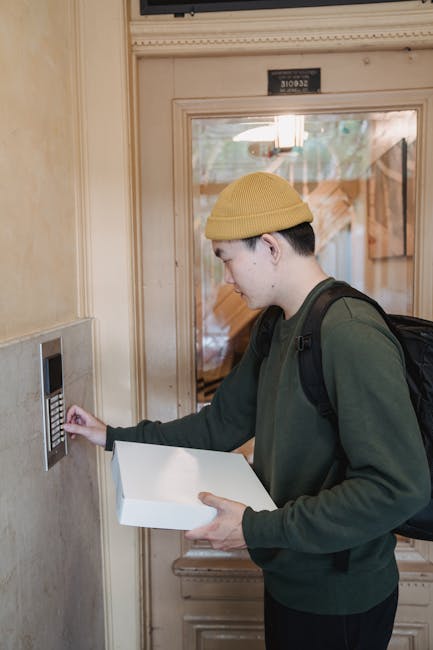
Make sure the recipient knows the timing and can answer the phone. If the building has a buzzer system or locked gate, confirm that access works on the day. A driver standing outside for ten minutes because "the bell sometimes sticks" is not ideal. Happens more than you'd think.
6. Use proper handling equipment
If the job involves heavy or delicate items, use trolleys, straps, blankets, and gloves where appropriate. Good handling tools reduce the temptation to rush or pause in awkward spots.
7. Keep a buffer for the unexpected
Stepney traffic, parked cars, and school-run congestion can all change quickly. Build in a time buffer so that a small delay does not become a missed slot. This is one of those little things that saves the day.
If the delivery is part of a move, a planning call with a local team can be useful. A service like man and van support can suit tighter terrace access better than a larger, more rigid setup, depending on the job.
Expert Tips for Better Results
Once the basics are in place, a few practical habits can make terrace deliveries much easier. These are the small things that tend to separate a smooth job from an annoying one.
- Visit at the same time of day if possible: Streets behave differently at 8am, midday, and late afternoon. A route that works one hour may be blocked the next.
- Use photos instead of vague descriptions: "There's a bit of space outside" is not enough. A picture of the frontage, gate, and approach is far more useful.
- Mark the unloading sequence: Know what comes off first so the most urgent or fragile items are accessible immediately.
- Brief the driver on the local quirks: Low branches, school traffic, loading restrictions, awkward corners - small details, big impact.
- Keep neighbours in mind: A quick apology or warning can prevent complaints, especially if you need to pause briefly near their frontage.
- Allow for weather: Rain makes steps, paths, and carry routes slower. In London, a dry morning can turn damp by noon. You know how it goes.
One practical trick: if there is any doubt about street space, ask, "Can the job be done without the van stopping directly outside?" If the answer is yes, you've already reduced risk. If the answer is no, it is time to rethink the vehicle, the timing, or the drop method.
A slightly old-fashioned but reliable bit of wisdom here is this: the best access plan is the one the driver can follow without needing to improvise.
Common Mistakes to Avoid
Most blocked-access problems do not come from one giant mistake. They come from several small assumptions stacking up. That's the annoying bit.
Assuming the street will be free
Terrace streets are often more congested than they look. Residents, visitors, bins, and trades all compete for the same space. Never assume there will be an easy kerbside stop waiting for you.
Using the wrong vehicle
A larger van may seem efficient, but if it cannot turn, stop, or unload without causing obstruction, it can slow everything down. The right size vehicle is often the one that fits the access, not the one that holds the most.
Not checking pedestrian movement
Pavement use matters. If people have to squeeze past, step into the road, or detour around goods being unloaded, the stop has become a problem. Avoid that wherever you can.
Leaving the handover too late
If the recipient is not ready, the driver may be tempted to wait in the road "just for a minute." Those minutes can pile up quickly, especially in a narrow terrace setting.
Ignoring building features
Steps, narrow hallways, railings, shared gates, and awkward door swings all affect access. They're easy to miss from a quick glance. Then suddenly you're carrying a wardrobe sideways and everyone is trying not to laugh.
Forgetting neighbour impact
Even a legal stop can still cause friction if it blocks a driveway, creates noise at the wrong hour, or makes it hard for someone else to leave. Best practice is not just about the law; it is about being considerate.
Tools, Resources and Recommendations
You do not need a huge toolkit to manage terrace deliveries well, but a few practical items and habits make life a lot easier.
| Item or resource | Why it helps | Best used for |
|---|---|---|
| Phone with camera | Photos of frontage, gate, and street layout reduce guesswork | Planning, briefings, proof of access conditions |
| Measuring tape | Quick checks on door widths, paths, and item sizes | Bulky furniture, appliances, awkward corners |
| Folding trolley | Reduces carrying strain and speeds up the handover | Boxes, boxed equipment, smaller furniture |
| Moving straps or blankets | Protects goods and makes handling safer | Fragile or heavy items |
| Simple delivery notes | Keeps key access information in one place | Repeat deliveries, team handovers |
For repeat work, a simple checklist format is often enough. Keep it plain: address, contact number, vehicle type, access route, stopping point, and any special instructions. Fancy systems are nice, but a clear note in the right place is what actually gets used at 7:30 in the morning.
If the job is part of a larger move, you might also want to review house move planning support and common questions about moving and delivery services. Those pages can help you think through timing, handling, and what to expect on the day.
For properties with especially tight access, it can also be useful to have a backup plan for temporary storage, split deliveries, or a smaller return trip later in the day. It sounds slightly overcautious, but in terrace streets, a backup is often the calmest option.
Law, Compliance, Standards, and Best Practice
Access planning is not just a matter of convenience. In the UK, delivery work must be carried out with proper care for road users, pedestrians, property, and local restrictions. The exact rules can vary by street and local authority, so it is wise not to assume that yesterday's stopping spot is automatically fine today.
Best practice usually means:
- not blocking driveways, junctions, crossings, or emergency access
- avoiding unsafe loading on pavements or in live traffic
- checking parking or loading restrictions before arrival
- making sure the vehicle is suitable for the street and the job
- keeping communication open if access changes on the day
If a delivery involves moving goods across a public footway, extra care is needed. That includes keeping the route clear where possible, watching for trip hazards, and handling items so people can still pass safely. A busy terrace may not give you much room, which is why a careful approach matters more than a fast one.
There is also a basic duty of care in how staff and contractors work. Even where there is no specific local restriction causing the issue, a blocked entrance or unsafe unloading method can create problems for residents, neighbours, or passers-by. Best practice is simply to be thoughtful and prepared.
For local property work or multi-stop jobs, it is worth keeping notes on common access patterns. Which streets are tight, which times are easier, which doors are awkward, and which properties need a smaller van. That kind of record becomes very handy after a while.
Options, Methods, and Comparison Table
There is more than one way to handle terrace deliveries. The right method depends on the size of the item, the street conditions, and how much time you have. Here is a straightforward comparison.
| Method | Best for | Pros | Drawbacks |
|---|---|---|---|
| Kerbside direct drop | Small, fast deliveries with enough street space | Quick, simple, minimal carrying | Can block access if space is limited |
| Short carry from nearby legal stop | Terraces with narrow frontage or busy parking | Safer and more flexible | Takes more time and effort |
| Smaller vehicle approach | Restricted streets and awkward turns | Easier positioning, less obstruction risk | May need more trips |
| Split delivery | Bulky or mixed items | Reduces congestion and handling strain | Requires more coordination |
| Timed delivery window | Busy roads or sensitive access conditions | Better chance of a clear frontage | Needs punctuality and good communication |
In many Stepney terrace situations, the best answer is not one method on its own but a combination. For example, a smaller vehicle plus a timed arrival plus a short carry route can be far more effective than one large van trying to do everything in one go.
To be fair, the simplest option is not always the smartest. Sometimes the slightly more careful route is the one that saves the afternoon.
Case Study or Real-World Example
Here's a realistic example. A resident in a Stepney terrace orders a large sofa, a coffee table, and a few boxed items for the same afternoon. On paper, it looks fine. The flat is on the ground floor, and the front door is only a few metres from the street. Easy, right?
Not quite. The road is lined with parked cars, there is a tight bend nearby, and a neighbour's driveway sits almost opposite the property. If the van stops directly outside, it risks blocking access. If it parks further down, the carry route gets longer and the sofa becomes awkward to manage.
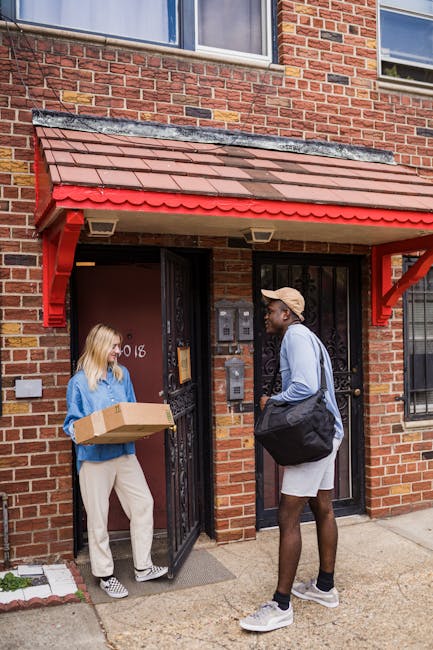
The better plan is to confirm the frontage in advance, use a smaller vehicle if possible, and agree a short carry route from the nearest safe legal stopping point. The recipient is asked to be ready at the door, and the driver is briefed on the entrance and any steps. The job takes a little longer than the no-plan version, but it lands smoothly. No blocked driveway. No raised voices. Just a bit of sensible coordination.
That might sound ordinary, and it is. But ordinary is exactly what you want with terrace deliveries. Calm. Predictable. No drama.
A similar approach works well for regular service stops too, especially where local access changes by time of day or by the school run. One short note saved in the booking system can prevent the same problem from repeating over and over.
Practical Checklist
Use this checklist before any delivery to a Stepney terrace. It is simple on purpose.
- Confirm the full address and exact entrance location
- Ask about steps, gates, narrow paths, or shared access
- Check whether the street has parking or loading restrictions
- Choose a vehicle that suits the street, not just the load
- Set a realistic arrival window
- Confirm the recipient's phone number and availability
- Plan the nearest safe stopping point
- Prepare trolley, straps, blankets, or lifting help if needed
- Check whether weather could affect the carry route
- Keep neighbours and pedestrians in mind during unloading
- Have a backup plan if the frontage is already occupied
- Record any access issues for next time
If you can tick most of those boxes, you are already ahead of many delivery runs. And if you cannot tick them all, that is fine too - just fill the gaps before the van turns the corner.
Conclusion
Stepney terraces are perfectly manageable once you respect the practical reality of the street. Narrow access, parking pressure, and shared frontage do not have to derail a delivery. They just need a more thoughtful approach. When you plan the vehicle, timing, stopping point, and handover properly, you dramatically reduce the chance of blocked access and make the whole process feel much calmer.
The real win here is not only fewer delays. It is smoother communication, better neighbour relations, safer unloading, and a delivery that feels organised rather than rushed. That matters whether you are moving a sofa, dropping off stock, or coordinating a bigger household move. Small planning decisions have a big payoff. They really do.
Get a free quote today and see how much you can save.
If you want the job handled with less guesswork and more local awareness, take the next step with a team that understands terrace access, tight streets, and the practical realities that come with them. It will make the day feel easier, and honestly, that is worth a lot.
Frequently Asked Questions
What is the main reason deliveries get blocked in Stepney terraces?
Usually it is a mix of narrow roads, parked cars, and not enough room to stop safely near the property. A missing access check is often the real trigger.
Should I always use a small van for terrace deliveries?
Not always, but a smaller van is often easier to place in a tight street. The best choice depends on the load, the frontage, and whether a safe stop is available nearby.
How early should I confirm access details?
Ideally before the day of delivery. If the street is known to be tight, confirming access details as soon as the booking is made is even better.
Can a delivery driver stop briefly on the pavement?
Only if it can be done safely and lawfully, and without obstructing pedestrians. In many terrace settings, it is better to avoid pavement stopping altogether.
What should I tell the driver before they arrive?
Give them the exact entrance, any steps or gates, the best contact number, and any known parking issues. A photo of the frontage can be very helpful too.
What if a neighbour's car blocks access on the day?
Have a backup plan ready, such as a nearby legal stop and a short carry route. If the street is very tight, a delay or reschedule may be safer than forcing the drop.
Are there special rules for unloading in busy residential streets?
Yes, in practice you need to follow local parking and loading rules, avoid unsafe obstruction, and keep people safe. Exact restrictions can vary, so checking the local situation matters.
How do I handle bulky furniture in a terrace?
Measure the item, check the doorway and hallway, and use the right handling equipment. If needed, split the delivery or use extra help to avoid blocking access during manoeuvring.
Does weather really change delivery access that much?
It can. Rain makes steps and carry routes slower, and wet weather can also make drivers more cautious about stopping positions. A little buffer time helps a lot.
What is the simplest way to prevent blocked access?
Combine three things: confirm the frontage, choose the right vehicle, and agree a safe stopping point. Those three steps solve a surprising number of problems.
Is it worth arranging the delivery for a quieter time of day?
Yes, when possible. Quieter periods often mean fewer parked cars, less pedestrian movement, and a better chance of getting in and out without hassle.
Can storage help if access is too tight?
Yes. If a full delivery cannot be completed cleanly in one go, temporary storage or split timing can reduce pressure and give you more control over access.
Stepney terraces reward good planning more than brute force, and once you get that balance right, the whole job feels lighter.